
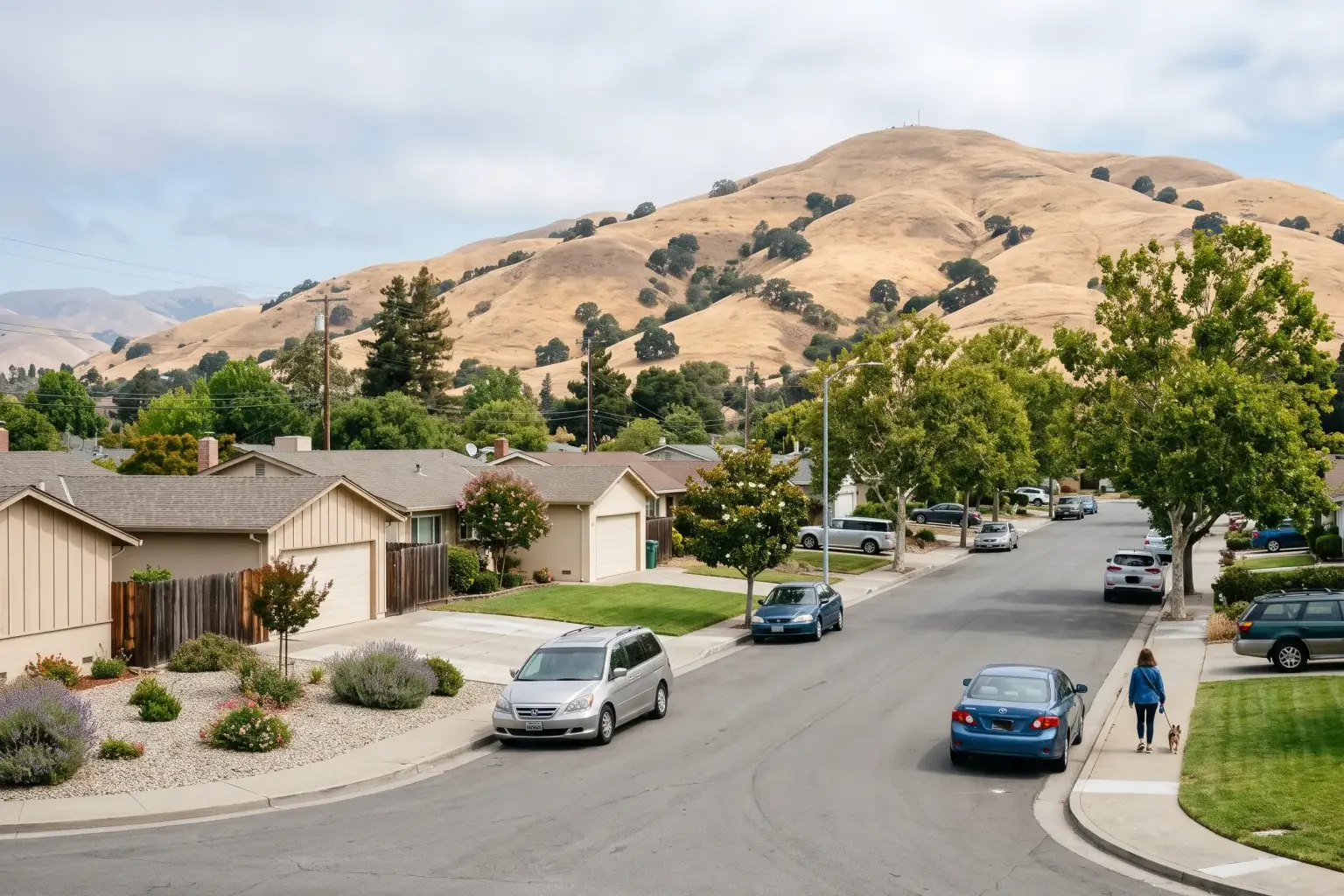
The short answer
For a Fremont AC installation, we start with a load calculation and a check of your ducts and electrical panel, then help you decide between a straight AC and a heat pump. The federal heat pump tax credit no longer applies to new installs, but BayREN and your local clean energy provider may offer incentives, which we confirm before quoting.
Adding central air to a Fremont home that never had it, or replacing an air conditioner that has reached the end of its life, involves choices that shape your comfort and energy bills for years. ArcticFlow AC Repair installs central air conditioners, heat pumps, and ductless systems for homeowners across Fremont, including ZIP codes 94536, 94538, 94539, and 94555. We're based in Santa Clara, about 10 miles south, so Fremont is a regular part of our service area. Below is how we approach an installation and what's worth thinking through before you pick equipment.
Sizing a System for Your Fremont Home
Summer heat around the Bay Area isn't uniform. Spots closer to the water tend to stay milder, while areas farther inland run noticeably hotter, and two homes of the same square footage can need very different amounts of cooling. That's why we don't size equipment from a rule of thumb.
An oversized unit cools the house quickly, shuts off, and starts again, which wears parts faster and does a poor job pulling moisture out of the air. An undersized unit runs nearly nonstop on the hottest afternoons and still can't keep up. A proper load calculation avoids both problems.
- Insulation levels in the attic and walls
- Window size, type, and which direction they face
- Ceiling heights and open floor plans
- Shade from trees or neighboring buildings
- How many people live in the home and which rooms you use most
Straight AC or Heat Pump?
A heat pump looks and installs much like a central air conditioner, but it can also run in reverse to heat your home. With the valley's mild, damp winters, a heat pump can handle most or all of a typical home's heating needs.
Timing matters here. Under Bay Area Air District rules, natural gas furnaces manufactured from 2029 must meet a zero-NOx emission standard, which in practice points homeowners toward heat pumps when a furnace is replaced after that date. The rules don't require you to replace working equipment; they only apply when a furnace fails or is replaced.
If your furnace is fairly new, pairing it with a new AC can make sense. If your furnace is aging, installing a heat pump now may save you from a second project in a few years. We'll lay out both options for your house.
Checking Ducts and Electrical Before Install
A new outdoor unit can only perform as well as the ductwork it connects to. Before quoting, we look at duct size, condition, and leakage. Leaky or undersized ducts waste cooling and can leave some rooms warm no matter how good the equipment is.
Some Fremont homes have no ducts at all, or have rooms such as additions or converted garages that ducts never reached. In those cases, a ductless mini-split can cool individual rooms without major construction. We also check your electrical panel to confirm it has capacity for the new system, especially if you're moving toward a heat pump or other electric appliances.
Incentives and Tax Credits in Late 2026
The federal Energy Efficient Home Improvement Credit covered qualifying heat pumps placed in service before December 31, 2025. It isn't available for new installations after that date, so it won't apply to a system installed now.
Local programs are still worth checking. Bay Area homeowners can look to BayREN and their local clean energy provider for heat pump and electrification incentives. Amounts and availability change by funding cycle, so we confirm the current offer before including it in your quote rather than relying on last year's numbers.
What Installation Day Looks Like
We'll give you a time estimate with your quote based on the scope of work. Replacing an existing system typically moves faster than adding central air to a home that never had it. Replacing or adding an AC system generally requires a permit and inspection in California, and we'll explain what applies to your project.
- Protect floors and work areas, then remove and haul away old equipment
- Set the outdoor unit and the indoor coil or air handler
- Install or replace refrigerant lines, drain lines, and electrical connections
- Charge the system and verify airflow and temperatures
- Set up the thermostat and walk you through how to use it
More services in Fremont
- AC Repair in Fremont
- Heating Repair in Fremont
- Heat Pump Installation in Fremont
- Furnace Repair in Fremont