
The short answer
A heat pump is a practical replacement for an aging furnace and AC in Mountain View, where winters are mild and summers are warm but rarely extreme. We size the system to your home, check your electrical panel and ductwork, and confirm current BayREN and local incentives before you decide.
If your furnace or central air conditioner in Mountain View is getting old, a heat pump is worth a serious look. One system handles both heating and cooling, runs on electricity instead of gas, and suits the mild climate homes here deal with most of the year. ArcticFlow AC Repair installs heat pumps in homes across ZIP codes 94040, 94041 and 94043, about 6 miles northwest of our base in Santa Clara. This page covers what a Mountain View installation involves, how local Air District rules fit in, and what to check before you commit.
Why heat pumps fit Mountain View homes
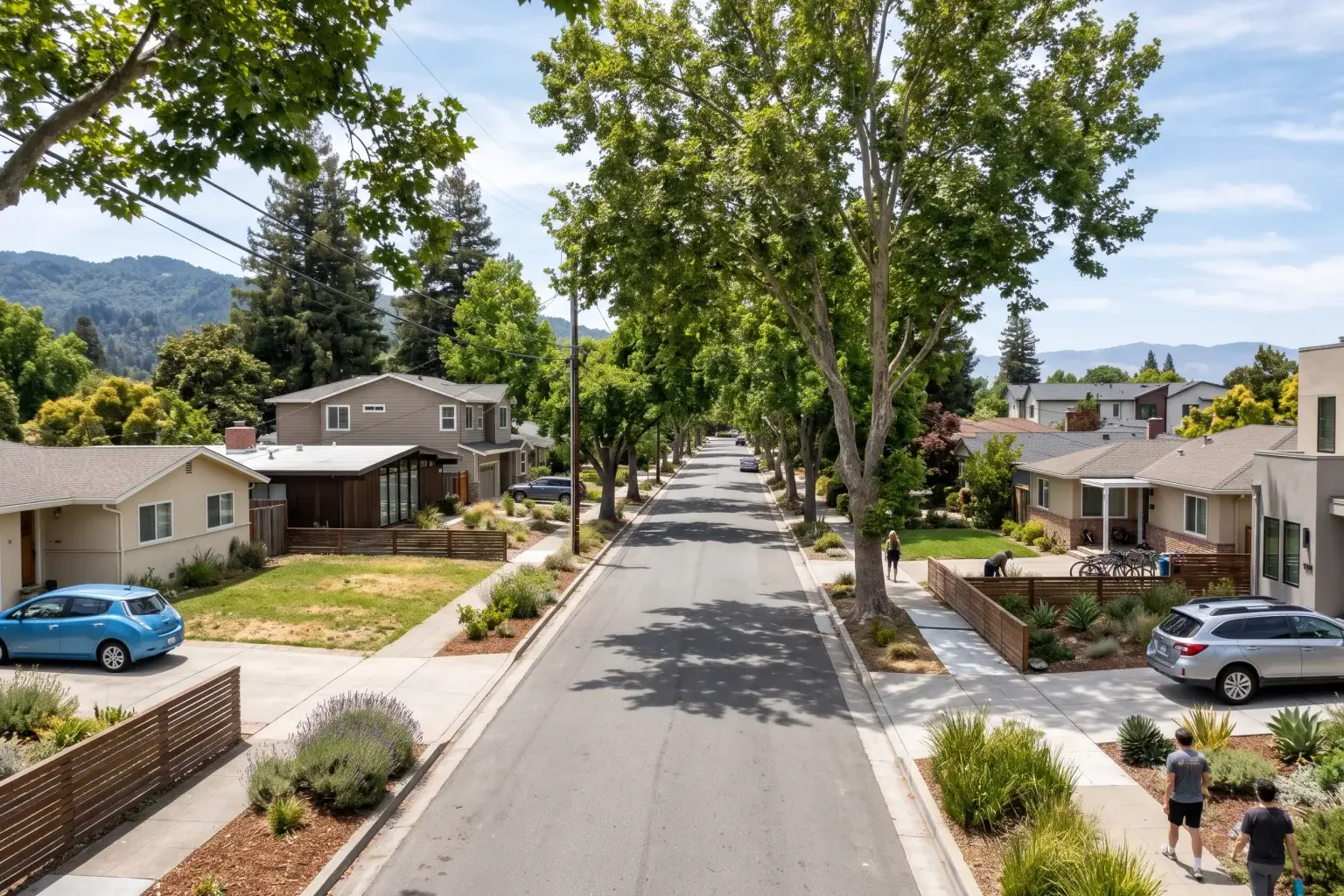
The Santa Clara Valley has a Mediterranean climate with dry summers and mild, damp winters. Mountain View sits closer to the Bay than the inland and southern parts of the valley, which run noticeably hotter in summer. That means your system spends much of the year handling moderate loads instead of extreme ones, and that is where heat pumps do their most efficient work.
In winter, a heat pump moves heat from outdoor air into your home instead of burning gas to make it. Damp winter mornings are well within what modern units handle comfortably. In summer, the same equipment runs in reverse as an air conditioner, so you are not maintaining two separate systems.
What we check before recommending a system
A good installation starts with an honest look at the house, not a quick swap of the old unit for a new one. Many homes in Mountain View were built decades ago and have been remodeled since, so what is behind the walls varies a lot from one house to the next. We look at the items below before giving you options.
- Heating and cooling load: we size the system to your square footage, insulation, windows and sun exposure instead of matching the old equipment's size.
- Electrical panel capacity: some older panels need an upgrade or load management to add a heat pump, and we tell you up front if yours does.
- Ductwork condition: leaky or undersized ducts waste the efficiency you are paying for, so we inspect them and flag repairs.
- Equipment location: we look at where the outdoor unit can sit with good airflow, reasonable distance from bedroom windows, and clearance from fences and neighbors.
- Ductless options: for homes without ducts, additions, or converted garages, ductless mini-splits can heat and cool individual rooms.
How the Air District rules affect your timing
Bay Area Air District rules do not require you to replace working equipment. They apply only when an existing furnace or water heater fails or is replaced. If your current furnace is running well, you can plan on your own schedule.
Looking ahead, gas furnaces manufactured from 2029 must meet a zero-NOx emission standard, which in practice points homeowners toward heat pumps when a furnace is replaced after that date. If your furnace is aging now, planning a heat pump ahead of a breakdown usually beats making a rushed decision in the middle of a cold snap.
Water heaters follow a separate rule. The zero-NOx date for small water heaters was set for 2027, and the Air District Board is considering amendments this month that could delay it. If you are thinking about a heat pump water heater at the same time, check the current rule before you plan that replacement.
Incentives and tax credits: what is current
The federal Energy Efficient Home Improvement Credit only covered qualifying heat pumps placed in service before December 31, 2025, so it is not available for new installations now. If you have read older articles mentioning it, that information no longer applies.
Local programs still exist. Bay Area homeowners can check BayREN and their local clean energy provider for current heat pump and electrification incentives. Amounts and availability change by funding cycle, so we confirm the current offer before including it in any quote.
What installation day looks like
For a typical ducted replacement, we remove the old furnace and outdoor AC unit, set the new indoor air handler and outdoor heat pump, connect refrigerant lines and wiring, and make any duct corrections we agreed on. Before we leave, we test the system in both heating and cooling modes, check airflow at the registers, and walk you through the thermostat settings.
Ductless installs and jobs that need panel work can take longer, and we lay out the schedule before work starts. We also serve nearby Los Altos, Sunnyvale, Palo Alto, Los Altos Hills and Cupertino if you are helping a family member or neighbor plan a similar project.
More services in Mountain View
- AC Repair in Mountain View
- Heating Repair in Mountain View
- AC Installation in Mountain View
- Furnace Repair in Mountain View